
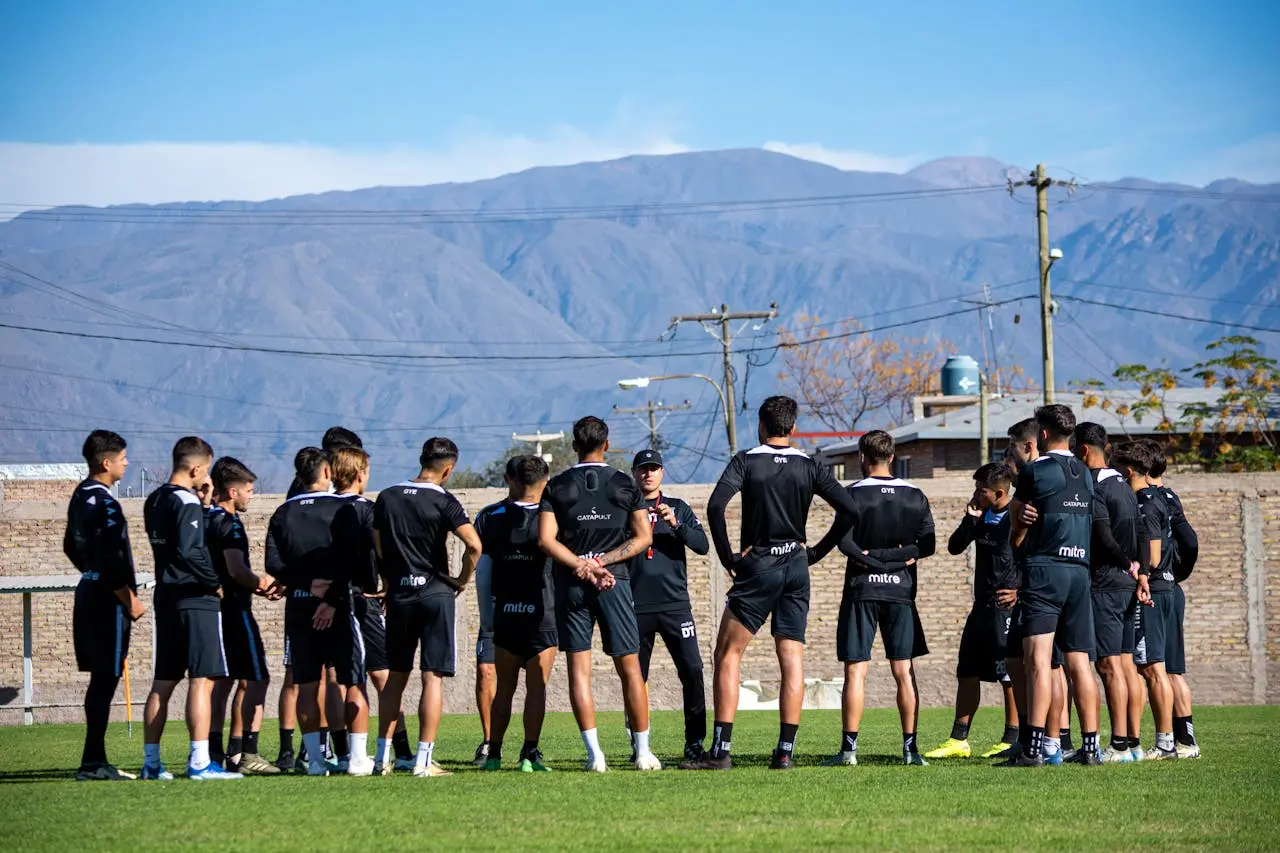
Most coaches can think of a player with genuine talent and real potential who hit a ceiling long before they should have. The same coaches have watched a less gifted, quieter player work their way past them over a couple of seasons. It’s nearly always the same reason.
The Trap of Natural Ability
Raw talent is real. Some players just arrive with things others have to work years to build. Better first touch out of nowhere. Movement that looks coached before it ever has been. An eye for the pass that most kids don’t develop until their mid-teens.
The problem isn’t the talent. The problem is what talent can do to a player’s relationship with feedback.
When everything comes easily, criticism lands differently. A player who has always been the best on the pitch doesn’t have much practice hearing what they got wrong. Over time, some of them stop looking for it. They learn to filter out the parts of a debrief that apply to them. They half-listen during individual feedback. They nod and then go back to doing exactly what they were doing.
That’s not arrogance, necessarily. It’s just what happens when ability has always been enough.
What Coachability Actually Looks Like
Being coachable doesn’t mean nodding along to everything. The real tell is what a player does in the seconds after they receive feedback. Does the player try to apply it in the next rep? Do they ask a question if they didn’t understand? When the same correction comes up a second time, do they take it personally, or do they take it seriously?
The coachable players we’ve worked with at South Van FC share a few things. These players don’t need feedback wrapped up carefully. They hear it plainly, take what’s useful, and apply it without making it a bigger deal than it is.
That mentality compounds. A player who takes one piece of feedback per session and actually uses it is getting better in ways that don’t show up in any one session but become obvious over a season. We covered how that long-term thinking applies to development generally in The Long Game.
Where Raw Talent Hits a Ceiling
Youth football rewards physical development. A player who matures early, who’s faster and stronger than their peers, will get by on that for years. They score goals. They win individual battles. They get selected for things.
A few years later, the picture looks different. Other players have grown, trained, and closed the gap. What felt like a natural advantage starts to feel less reliable. The things they were never coached out of, like the predictable touch and the habit of going to the right every time under pressure, start getting exposed.
The players who have spent those years being coachable are the ones who have been building the game underneath the athleticism. Their technical habits are cleaner. Their decision-making under pressure is sharper. They’ve had more reps of actually improving something rather than just performing what they already know.
That’s when you see the gap.
Coaching for the Long Run
Talent and coachability are not in opposition. The players who last tend to carry both.
But in training environments, it changes how we approach things. A player who is genuinely open to feedback needs coaches who give good feedback. Vague encouragement doesn’t help a coachable player; it actually does them a disservice. They need specific, honest input that they can act on. That’s the environment we try to build in the South Van FC academy.
For parents, it’s worth thinking about how you talk about your player’s development at home. Praising effort and improvement over ability tends to build the right relationship with feedback. A player who hears “you worked hard on that” internalizes something different than one who only hears “you’re so talented.”
What to Watch For
What a player does well in training is the starting point. What they do after being corrected is the rest of the story, and that’s where to look.
Do they immediately try the thing again? Do they make eye contact with the coach to signal they heard it? Or do they look elsewhere and move on without really engaging with it? That reaction, repeated over months and years, shapes a player’s development more than raw ability ever could.
The Players Who Last
Looking back at any group of young players, the ones who went furthest are almost never the ones you would have predicted at the start. They are the ones who kept their heads down, took the hard feedback, and built their game piece by piece.
Talent gets you noticed. Coachability is what you do with that.
Dipinder Kainth is a coach at South Van FC, working with players in the youth academy in South Vancouver. If you have questions about the programme or want to talk development, reach out at southvanfc@gmail.com.
South Van FC is a community football club based in South Vancouver, BC. We run a youth academy, an adult 18+ program, and a VMSL Men’s team, built around one philosophy: develop real players, technically sharp, tactically aware, and mentally tough. Learn more at southvanfc.com.